
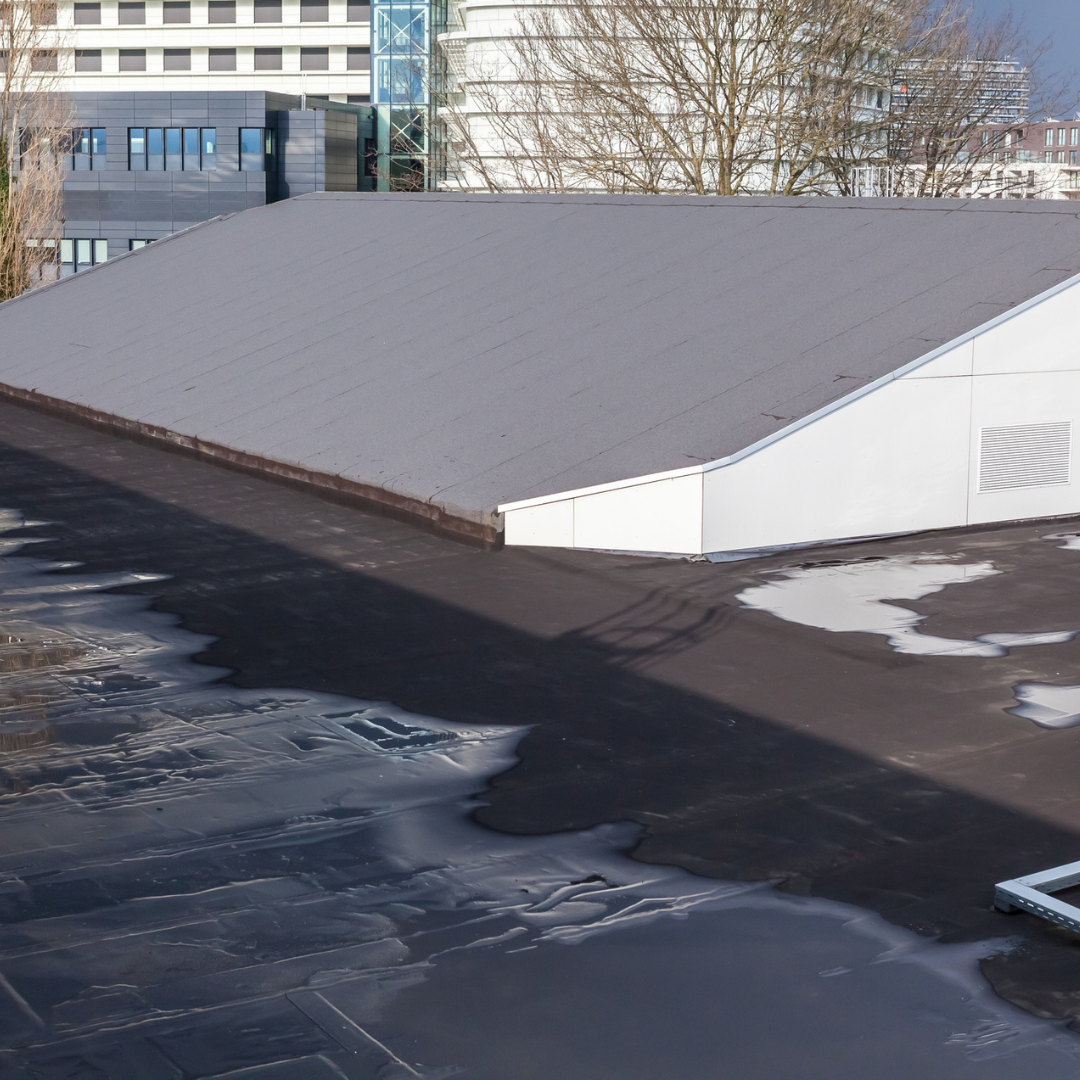
When a building envelope fails, whether from natural disaster, construction defect, or wear and tear, the first dispute in a condominium setting may not be, “What failed?” It may be, “Who owns the problem?” Is the association responsible because it is part of the common elements, or is it on the unit owner because it falls within the unit or a limited common element? The answer impacts budgets, schedules, insurance coverage, and lien rights.
Default rules governing condominium maintenance and repair responsibilities vary by state (for example, Florida’s Condominium Act, Chapter 718, Florida Statutes and Ohio’s Condominium Law, Chapter 5311, Ohio Revised Code). Every condominium also has its own community-specific governing documents, including the declaration of condominium, articles of incorporation, bylaws, and amendments. Chief among these is the declaration, which functions as the association’s constitution, and sets key restrictions and obligations. Before you price, schedule, or assign responsibility for repairs, confirm what state law and the governing documents say about unit boundaries versus common elements, and who must maintain, repair, and replace each component.
Across jurisdictions, certain principles are consistent. Every unit owner holds an undivided interest in the common elements, and the association is charged with operating and maintaining them. See, e.g., Ohio Rev. Code 5311(O) and Fla. Stat. 718.103(14). Common elements usually include the structure and shared systems (roof assemblies serving multiple units, foundations and framing, stairs/elevators, corridors, garages, and vertical mechanical/electrical/plumbing distribution), plus other components outside the unit boundary. They are generally repaired, maintained and replaced by the association as a common expense shared by unit owners.
In the simplest case, the unit owner maintains the unit, and the association maintains the common elements. However, there are exceptions. First are limited common elements (patios, lanais, balconies, storage spaces) – common elements reserved for one unit’s exclusive use. See, e.g., Ohio Rev. Code 5311(W) and Fla. Stat. 718.103(22). These “gray zone” components may be owned by the association, but the unit owner may have day-to-day maintenance duties (or vice versa) depending on the particular declaration. Further, many communities (and some statutes) shift costs back to an owner when damage is caused by intentional conduct, negligence or noncompliance with the governing documents by the unit owner, or the unit owner’s family, guests, or tenants. See, e.g., Fla. Stat. 718.111(11).
In more complicated cases, parties may disagree about how certain components are classified, even after reference to statute and governing documents. These disagreements often involve the building envelope, including roofs, walls, doors, and windows, when inadequate maintenance has caused substantial damage to units or common elements. Many associations’ governing documents are silent or ambiguous as to the responsibility for maintenance, repair and replacement of components of a building envelope. For example, responsibility for roof maintenance and repair in a traditional condominium building with a single roof may be straightforward (the association), but standalone or townhouse-style condominiums may present a more difficult question, as there are multiple roofs in the condominium, each of which benefits less than all units in the condominium. Similarly, where a unit owner shares responsibility for exterior maintenance or painting and the governing documents are otherwise silent, disputes may arise over responsibility for exterior walls and waterproofing that are appurtenant only to that unit. Windows and sliding glass doors can be even murkier because “window” may mean only the glass, or the entire assembly – framing, jambs, weatherstripping, tracks, locks and hardware. When the governing documents are unclear, parties can end up arguing over responsibility while water intrusion spreads, and the repair scope grows.
Inadequate repairs and maintenance, by any party, could compromise the envelope, allow water intrusion, and lead to rot, mold and other life-safety issues affecting multiple units and shared spaces. Given the interdependent nature of condominium living, unit owners and associations, and the construction professionals contracting with them, should be proactive in determining and executing maintenance and repair obligations.
Practical takeaways for unit owners, associations and contractors:
(1) Pull the declaration before finalizing scope; confirm unit boundaries and responsibilities for building envelope components.
(2) Tie each observed condition (leaks, damaged finish, failed waterproofing, etc.) to the responsible party under the documents and applicable statutes.
(3) If responsibility is ambiguous or disputed, prioritize temporary dry-in and moisture control measures while the dispute is resolved; the longer the envelope stays open, the broader the damage footprint and the higher the total cost.